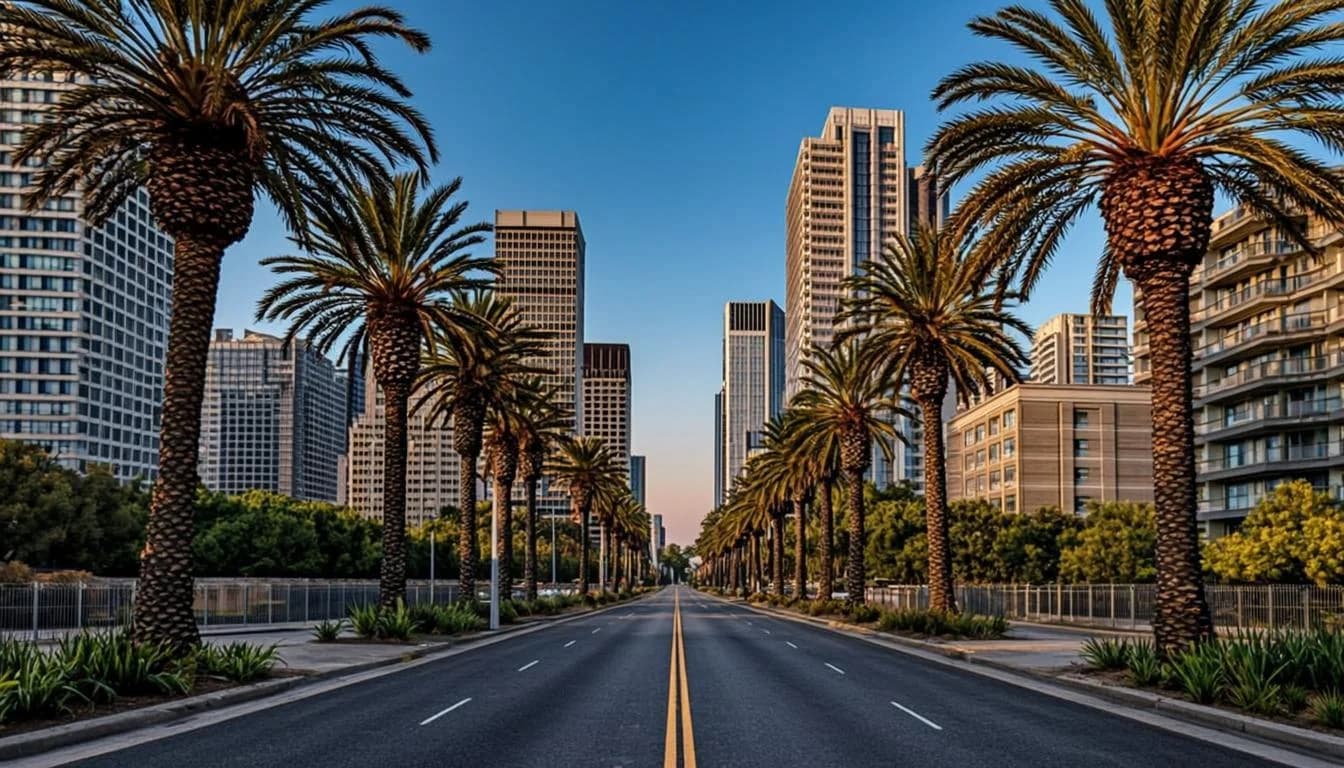
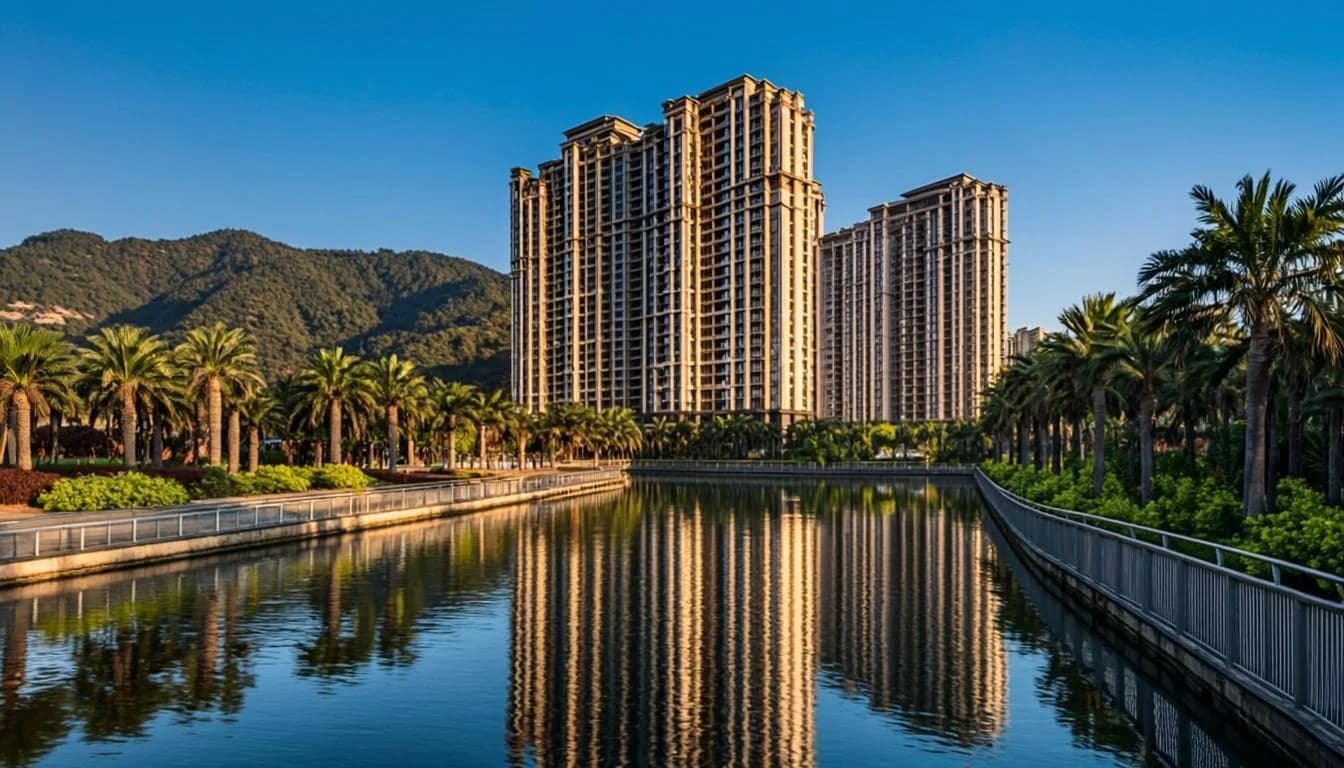
The planned city — wide roads, new infrastructure and the airport's long shadow of growth.
Designed node by node, Navi Mumbai offers wide roads, planned utilities and the Navi Mumbai International Airport — the single largest infrastructure catalyst in the MMR.
Planning you can feel
Navi Mumbai was drawn as a city, not allowed to grow as one. CIDCO's node structure produced wider roads, consistent utility corridors and public spaces that Mumbai's island city can only remember. Now the airport and Atal Setu have given the city its second act.
Housing stock and pricing character
Seawoods and Nerul lead the established-premium tier — park-facing towers, the Seawoods Grand Central mall and rail connectivity. Kharghar offers larger formats and educational-institution adjacency at mid prices. Ulwe and Panvel are the airport-proximate growth plays, where pricing is lower and timelines matter more.
Who Navi Mumbai suits
Families who prioritise planned living and clean air, professionals moving to the trans-harbour employment corridor, and long-horizon investors building positions ahead of the airport's completion phases.
What we verify
Developer delivery history in newer nodes like Ulwe, CIDCO lease vs freehold status on older plots, and infrastructure timelines read conservatively — airport-phase and metro-completion dates slip, and returns should not be underwritten to a best-case calendar.
Locality observations are general in nature and reviewed periodically. For a current, requirement-specific read of Navi Mumbai — pricing context, upcoming supply, society norms — speak with an advisor.